
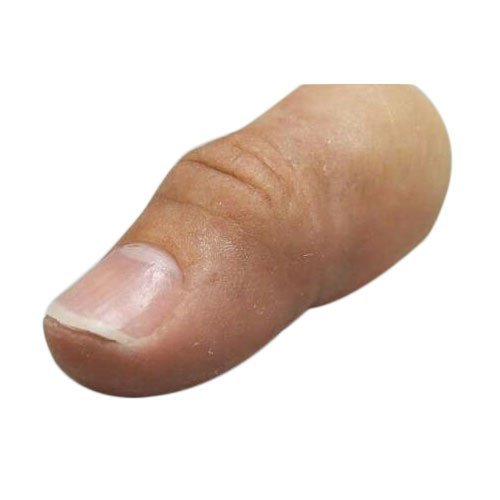
Silicone modelling materials are essential in prosthetic and orthotic workshops for creating custom liners, cosmetic covers, protective interfaces, and flexible components. Known for their skin-like texture, biocompatibility, and durability, silicones offer unmatched comfort and adaptability in patient-focused solutions.
In prosthetics, silicone modelling is widely used for liner fabrication, cosmetic restorations (such as fingers, hands, and toes), socket interfaces, and padding. The material’s flexibility, tear resistance, and ability to mimic natural skin tones make it ideal for improving both function and appearance. In orthotics, silicone is applied in pressure relief pads, cushioning inserts, orthotic linings, and corrective supports, where its shock absorption and adaptability enhance patient comfort and compliance.
Key Benefits of Silicone Modelling:
-
Biocompatible and skin-friendly for patient safety.
-
High flexibility with excellent tear and wear resistance.
-
Can be pigmented to match natural skin tones.
-
Shock-absorbing properties for protection and comfort.
-
Adaptable for both functional and cosmetic applications.
By incorporating silicone modelling materials, prosthetists and orthotists can deliver devices that are not only functional and durable but also comfortable, lifelike, and tailored to each patient’s individual needs.


