This is a heavy-duty, galvanised steel floor grating panel, designed for floor installations where drainage, safety, and durability are essential. The panel consists of welded steel or bar steel strips in a grid pattern, with openings to allow water, plaster runoff, debris, and air to pass through. The galvanisation (zinc coating) adds strong rust and corrosion resistance, making it suitable for wet, messy environments. The panel is robust enough to bear foot traffic, rolling carts or trolleys, and the incidental load of tools and equipment.
Key attributes generally include:
Material: Carbon Steel with a galvanised (zinc) coating.
Grid/Open-mesh design: Regular bars with spaces between (grid pattern) to allow drainage and prevent pooling.
Load-bearing capability: Designed to support weight of people, equipment, carts.
Surface finish: The galvanised surface resists rust, corrosion, moisture, and chemical exposure from plaster, water, etc.
Maintenance friendly: Easy to clean, minimal buildup of residues; resilient against wear.
Why It’s Especially Good for Orthotic & Prosthetic Plaster Casting Rooms
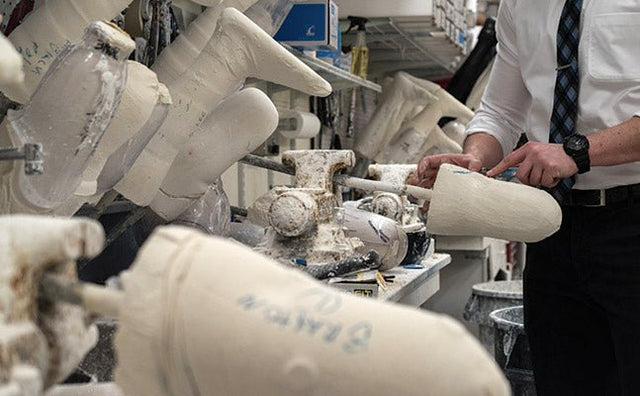
Orthotic & prosthetic workshops often have a plaster-casting area where plaster is mixed, poured, molds are made, excess runoff, water, splatter and plaster dust are common. A floor grating of this kind offers multiple advantages in that context:
Drainage & Cleanliness
When casting plaster, there is frequently water runoff (for mixing, rinsing, wet plaster) and liquid plaster spills. A solid floor surface can trap water and plaster, which stiffens, becomes hard to remove, and creates slip hazards. The grated floor allows liquids to pass through immediately into a drainage channel underneath, preventing pooling.
Plaster dust, wet plaster splatter, and small debris can be washed off more easily. The open grid lets wash-downs flush waste through rather than collecting on the surface.
Slip & Safety Benefits
Because water and wet plaster don’t stay on the surface, the risk of slips is significantly reduced. The roughness of galvanised steel (and possibly serrated grip options) further helps traction even when wet.
Reduced risk of trip hazards: wet or plastered surfaces tend to become uneven or slippery; grid floor helps maintain safer, more stable footing. This is particularly important in plaster rooms, where staff are moving between cast workstations, water sources, sink areas, and benches.
Durability in Harsh Conditions
The galvanised coating protects against rust, corrosion, and damage from moisture, plaster chemicals, and cleaning agents often used in plaster rooms. Steel without protection would corrode quickly in such wet, alkaline, or calcium-rich environments.
The sturdy grid structure tolerates repeated wet/dry cycles, heavy foot traffic, the movement of carts/trolleys loaded with molds or plaster, occasional dropping of tools or cast items.
Ease of Maintenance & Hygiene
Grated floors are easier to clean: you can hose down, sweep, or use water sprays to flush away residue; cleaning underneath is simpler.
Less accumulation of water or plaster buildup that could lead to hygiene issues (bacteria, mold) or long-term damage to floor substrate.
The galvanised finish requires minimal upkeep: less need to repaint or treat, less risk of surface breakdown that traps dirt or moisture.
Workflow Efficiency
Plaster rooms often need to be cleaned and reset between casts. A grated floor helps speed up cleanup, reduces drying times, and supports maintaining a clean workspace more reliably.
It also helps maintain the integrity of cast molds, as runoff and splatter are better controlled (less chance of plaster pooling and sticking to molds or tools).
Lesen Sie Mehr Weniger